
Entering your 70s is a milestone worth celebrating. By this phase of life, you’ve gathered decades of wisdom, stories, and life experiences — and you probably see a clear picture of the things that matter most to you.
When it comes to knowing how to age gracefully in your 70s, the answer isn’t to hold onto the past. This decade is all about shaping a lifestyle that sustains your health and independence each day. With the right habits and support, your 70s can be one of the most fulfilling times of your life.
What Aging Gracefully Really Means at 70 and Beyond
As you age, you may become more confident in who you are and more committed to living life as you see fit. The challenges you surmounted may inspire a greater appreciation for life and deeper empathy for others. In fact, according to a joint study from AARP and National Geographic, age provides a sense of perspective that causes older adults’ sense of happiness to increase as they age, with a strong spike among those who are 70 and older.
During this decade, aging gracefully is all about removing unnecessary obstacles from your life and making thoughtful choices that support your health, happiness, and independence. For many people, daily responsibilities — keeping up with yard work and snow removal, handling house maintenance, and juggling work and family time — can become more difficult with time. Social isolation also may become a concern, especially if you don’t live close to loved ones and driving becomes difficult.
Adjusting your regular habits to address or even remove these stressors will make a significant difference in how you experience daily life. As Vera Rogers, a WesleyLife resident at Brio of Johnston, says, "Make a decision to be a happy person. Realize that life is going to go on no matter how you feel about it. Join a class, listen to some music, and get your body moving. Soon, you might find that your outlook is changing."
5 Essential Habits for Aging Gracefully in Your 70s
These five essential habits can help you stay connected and confident at any age — especially in your 70s when you want to shape or maintain a meaningful and fulfilling life.
1. Focus on relationships.
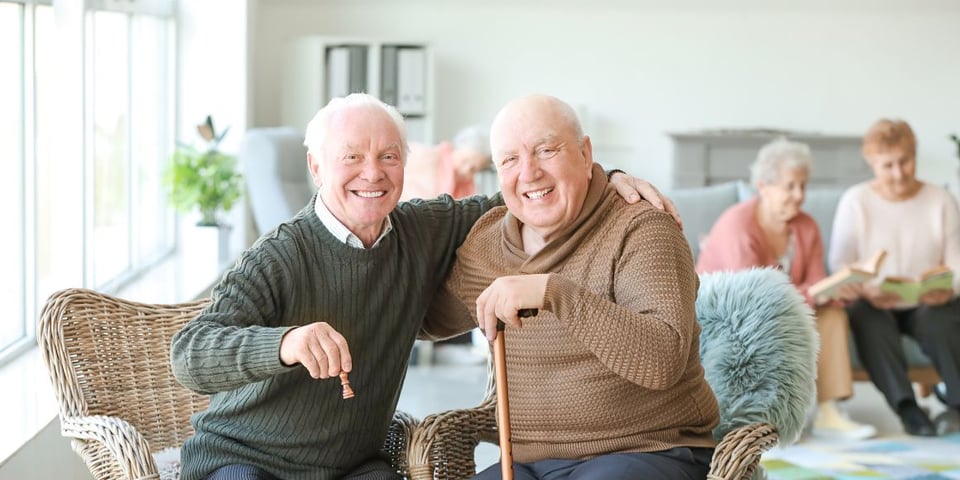
One of the longest-running studies of aging, health, and human development found a clear connection between solid relationships, a connection to community, and a happier, healthier, and longer life. The more socially connected you feel, the more support you can access when needed and the more opportunities for joy and meaning you’ll experience.
Every relationship counts, so find ways to cultivate your relationships. For example, you can:
- Carve out regular time for loved ones. Consider creating a standing video call date or regular brunches with a friend or family member.
- Make your interests social. Join a book club, athletic team, support group, or garden club to meet like-minded people.
- Connect with your community by giving back. United Way provides a comprehensive search tool to help you find volunteer opportunities.
2. Do what you love.
Happiness feels good, but it’s also important for your health. For example, staying intellectually active may decrease your lifetime risk of dementia. Time with your favorite pet could lower blood pressure and stress. Find ways to maximize time spent doing what you love the most: Start a new passion project, or take that class in a subject you always wanted to try.
It’s equally important to ditch things that don’t bring you joy. Tasks such as shoveling the driveway or flawlessly landscaping your yard aren’t necessary if they don’t make you happy. Whether you let the front hedges go a little wild, hire a yard crew, or decide to rightsize to a senior living community, where all home upkeep is handled for you, consider making a change.
Pat Stohlmann, a WesleyLife resident at Hearthstone, explains the freedom of letting go of those obligations: “I wasn’t working ... I was doing just exactly what I wanted to do. I didn’t feel the responsibility that I had felt all the rest of my life. I was just enjoying myself. We did a lot of traveling ... I do believe it’s the best part of my life.”
3. Prioritize physical health and activity.
Growing older doesn’t need to mean your health will decline. . Prioritizing your physical health can positively impact your quality of life. Even if you’ve never thought much about your physical well-being before, it’s never too late to feel your best.
Some simple changes can help you live healthier, better, and maybe longer:
- Eat a variety of nourishing, healthy foods. You don’t need to banish the occasional treat from the menu. It’s all about balance!
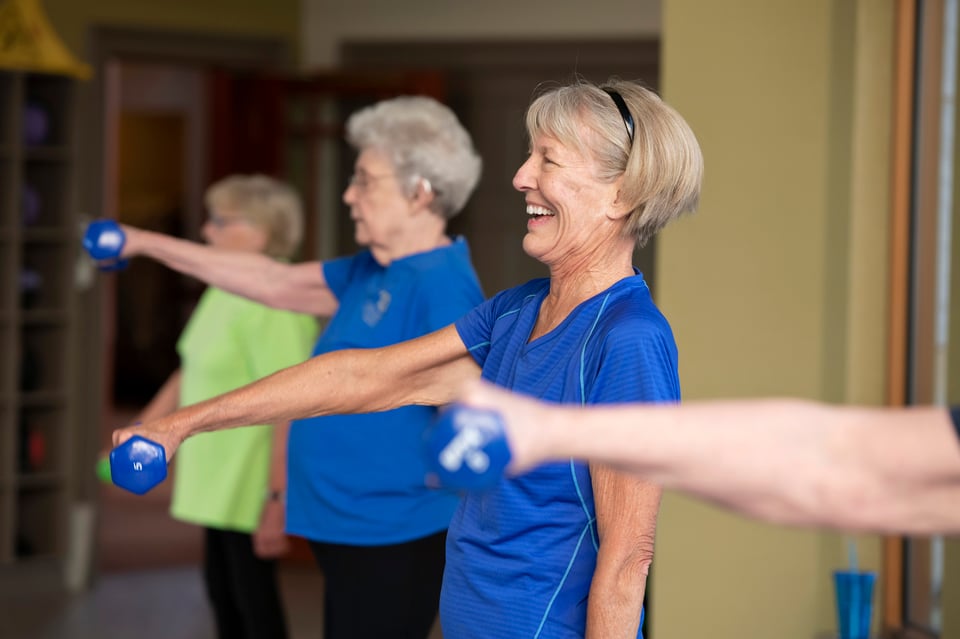
- Become more physically active. Regular daily movement is key to staying healthy, and you can incorporate it in a variety of ways. Walking with a friend, spending time in the garden, and decorating your house all count as exercise. "Lifting weights is so important as we age, and it's also something I really enjoy," Vera says. "And I have always loved aerobics; I enjoy getting my heart pumping ... It just feels good, especially at my age, to feel that your body is strong."
- Make a plan to manage chronic health conditions. You can do a lot to help yourself feel better, so make an appointment with your doctor. If you haven’t seen them in a while, now’s a great time to schedule a chat and some blood work.
Care for yourself the way you would care for a loved one. You’re worth the time and effort, and investing in yourself will pay dividends to your family, friends, and community.
4. Support your emotional and mental well-being.
Aging gracefully involves more than just managing your physical health. Your emotional and mental well-being are just as important.
When it comes to daily and weekly habits, keep the following in mind:
- Prioritize rest and sleep. Giving yourself a solid night’s rest provides recharge time for your body and mind. Maintaining a consistent sleep routine can improve your mood, memory function, and overall energy levels.
- Control your stress. Finding healthy ways to cope with stress supports your long-term resilience. Eliminate activities and obligations that cause more stress than joy, and consider how you might adjust your living situation to decrease mental clutter.
- Cultivate a sense of purpose. Find ways to feel connected, engaged, and confident that you’re making a difference.
When it comes to that last goal, you don’t need to change the world to maintain a strong, life-affirming sense of purpose. For Brian Donahue, a WesleyLife resident at Brio of Johnston, a passion for sports provides the key to daily motivation in his 70s. "I love playing the game. But what I actually love most about the whole pickleball experience is that it's my passion and my reason to get up in the morning. ... I wake up and know I'm going to see my friends and we're going to play and get coffee after.”
5. Embrace places and routines that support the life you want.
Daily routines provide structure and stability that make it easier to maintain your independence over time. A strong routine might include:
- A morning walk or stretching
- Scheduled meals and hydration goals
- Dedicated time for passion projects or lifelong learning opportunities
- Regular social activities
- Intentional rest periods
- Planned travel and exploration opportunities for intellectual stimulation
Look for places that can support the life and routines you want to build — from becoming a member at a local senior center to joining a gym or moving to a senior living community. Don’t be afraid to take a tour, ask questions, and discover if the opportunities provided align with your goals.
For instance, Jim and Margy Umhoefer love to globe-trot at any opportunity. Living at The Village, a WesleyLife community for healthy living, gives them the flexibility to travel without worry. “We lock the door and know it’s a safe place,” Jim says. “We go off; someone else takes care of the home.”
FAQs: How to Age Gracefully in Your 70s
What are the normal signs of aging at 70?
Common signs of aging in your 70s include drier skin, loss of bone density and muscle mass, slowing metabolism, changes in your immune response, and occasional forgetfulness. These shifts are all natural, and many effects of aging can be managed through healthy habits and regular, proactive medical care.
Is it normal to have less energy at age 70?
Many people notice lower energy levels as they age. However, you can boost your vitality and overall energy levels by:
- Staying active and exercising regularly
- Maintaining a regular sleep schedule
- Eating a balanced diet tailored to your health needs
- Managing stress
What habits support healthy aging after 70?
Healthy habits for people over 70 include:
- Staying socially connected
- Moving daily
- Eating balanced meals and staying hydrated
- Sleeping regularly
- Managing stress levels
- Keeping medical appointments
- Maintaining a sense of purpose
What are the best ways to stay healthy after 70?
The key to staying healthy after 70 is to focus on consistency instead of perfection. Small daily choices — walking, drinking water, connecting with friends, and resting when needed — can provide lasting benefits. Even if you go for a 15-minute walk instead of a 2-hour hike, your body and brain will experience benefits!
How much exercise should a 70-year-old get?
The U.S. Centers for Disease Control and Prevention recommends that older adults engage in about 150 minutes of moderate physical activity each week. This breaks down into one brisk 30-minute walk five days per week. In addition, you should fit in strengthening exercises twice per week to prevent natural muscle loss as you age.
WesleyLife: Supporting Healthy Living at 50, 60, 70, and Beyond
Aging gracefully isn’t a one-and-done event. Instead, it happens through small, intentional choices to support your health, relationships, and overall happiness. For many older adults, senior living communities provide the practical solutions, support, and freedom that make this goal a reality.
If you’re interested in finding out more about how WesleyLife can support you, you can:
- Reach out to your local WesleyLife community for healthy living for a tour to see what supportive living looks like in person.
- Learn about the ways the at-home care team can help you age in place.
- Find additional inspiration and practical tips in the guide, Living Your Best Life After 55.

Updated on May 13, 2026.