
As we age, staying mentally healthy isn’t just about doctor visits and medication. Connection and social engagement play a significant role in strengthening our emotional resilience and cognitive function.
Whether it’s a lively game night at a senior living community or a friendly chat in a neighbor’s living room, social events do more than fill our calendars — they nurture emotional well-being, sharpen the mind, and help us feel more grounded and resilient. Let’s dive into the science behind social engagement, mental health, and more.
The Science Behind Mental Health and Senior Socialization Programs
Scientific research consistently shows that social connection supports longer, healthier lives. Conversations and shared experiences stimulate the brain while easing stress and helping people process emotions more efficiently.
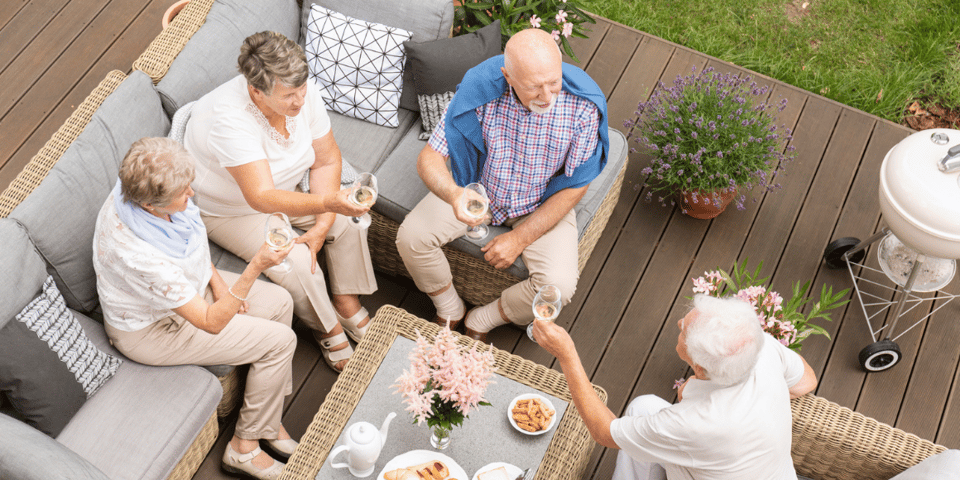
The good news is that the most outgoing person at the party isn’t the only one to experience the benefits. Small and steady social routines — a Friday night card game, monthly gardening class, or standing coffee date — can improve emotional balance and foster a sense of belonging.
The type of event isn’t the most important aspect of socialization; rather, it’s the act of regularly showing up, making an effort to connect, and making ourselves part of something larger. Over time, those regular moments of engagement build inner confidence and genuine friendships with the people around us.
8 Social Events for Seniors That Support Mental Health
These eight types of senior social programs offer dynamic ways to stay engaged while supporting emotional balance and maintaining brain health.
1. Discussion Clubs
Sharing ideas in a small group — discussing books, films, foreign languages, current events, technology, and more — keeps the mind active and the spirit engaged. By showing up for a conversation-based club, participants:
- Stimulate critical thinking and active listening.
- Keep their memory sharp.
- Broaden perspectives and empathy through exposure to a variety of opinions.
- Stay socially connected through intellectual engagement.
2. Gardening and Nature Groups
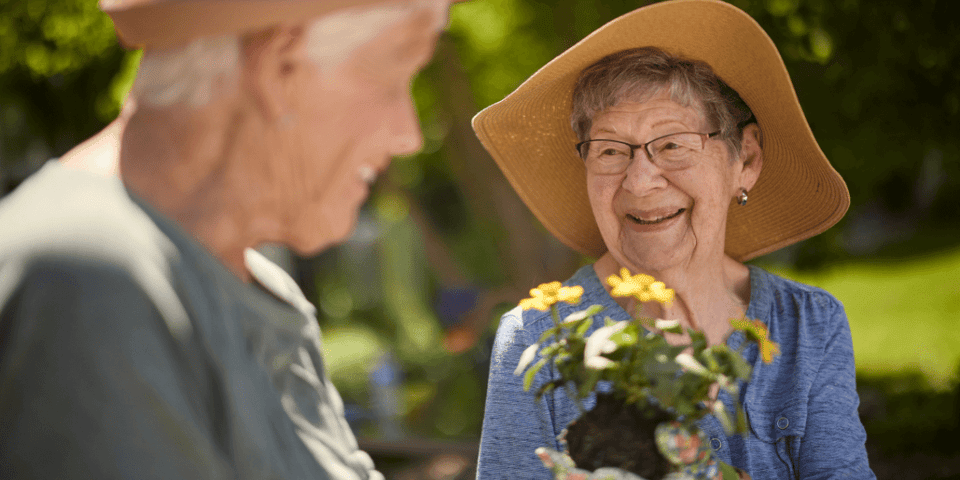
Working in the garden alongside others fosters companionship as much as it produces flowers and vegetables. Gardeners tend to share advice, swap cuttings, and celebrate green victories together. The combination of fresh air and quiet conversation can lower stress and improve moods, while the group setting encourages routine and accountability.
3. Music Gatherings
Few things perk up the ears and bring people together like a familiar tune. Group sing-alongs, choir practice, and even informal jam sessions encourage participants to blend their voices and create something together. The music itself provides scientifically proven benefits for mental health — decreasing anxiety, improving motivation, and aiding self-expression — and the act of making it together builds trust and empathy with the people around you.
4. Volunteer or Service Events
When older adults join forces to lend a hand to others, they not only strengthen their community but also their own sense of purpose. These shared efforts turn individual goodwill into teamwork, creating a social environment grounded in meaning and gratitude. Volunteers often form deep friendships as they connect with others who share common priorities and goals, building a sense of belonging that lasts long after the project is done.
5. Group Exercise or Movement Classes
We all know that regular exercise provides physical benefits, but the social benefits of group exercise — mutual encouragement, laughter, and accountability — are equally as powerful for maintaining mental health. Whether it’s a leisurely weekly group walk or more competitive options, exercising with others provides structure and motivation while fostering friendships. Regular participants cheer each other on and celebrate victories along the way.
6. Creative Workshops
Art classes, writing circles, and craft groups can transform creative passion projects into shared experiences. By providing a supportive space to learn new skills and exchange feedback, they help participants process emotions and build confidence. When people trade techniques, tell stories, and build relationships over a passion project, they create more than just a physical object; they establish a community centered around imagination and encouragement.
7. Intergenerational Events
Bringing older and younger generations together builds bridges that benefit both sides. Reading to children, sharing family stories, and collaborating on art projects empower older adults to pass along wisdom while learning new perspectives. These experiences affirm purpose and vitality, breaking down stereotypes and sparking joy for those involved.
8. Game and Trivia Gatherings
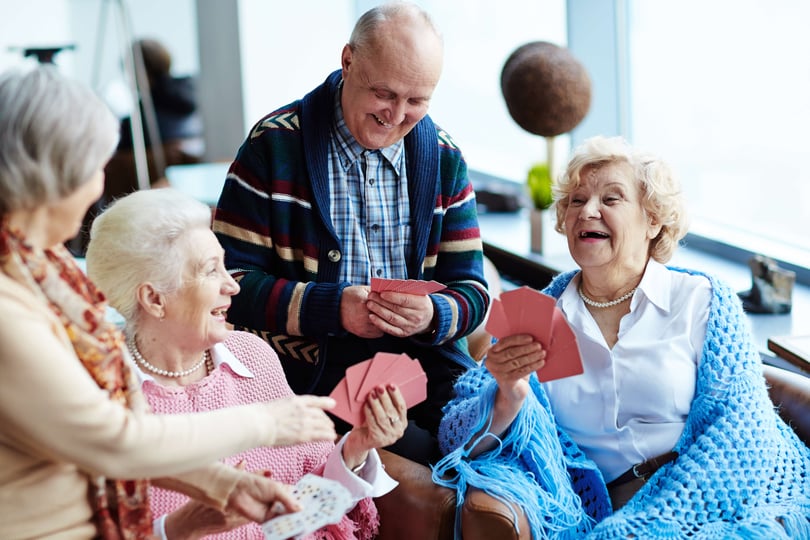
Gaming with others creates an instant connection. Regular bingo games, trivia nights, or card clubs foster friendly competition and plenty of laughter. Through teamwork and conversation, these gatherings exercise memory and attention span. Many older adults find that these low-pressure gatherings, where they can unwind and enjoy the comfort of familiar faces, become a highlight of the week.
How to Find or Start Your Own Social Events for Seniors
Meaningful connection doesn’t depend on where you live; it begins wherever people gather with intention. The key is to look for spaces that encourage interaction and a shared sense of purpose.
Explore Local and Online Resources
Many communities offer far more social events for seniors than may first meet the eye:
- Local senior living communities such as WesleyLife often provide services, programs, and special events that are available to everyone, wherever they call home.
- Libraries often host book clubs, film discussions, and tech classes.
- City recreation departments and community centers organize walking groups, project clubs, and seasonal workshops.
- Neighborhood gyms offer a calendar full of group exercise class options.
- Local museums and universities open their doors to the broader community for project-based workshops, art classes, music groups, and more.
- Online platforms offer virtual spaces for discussion groups, museum tours, and interactive classes so you can connect from the comfort of home.
- Faith organizations provide opportunities to connect with music, discussions, and more.
Keep an eye on local calendars, bulletin boards, social media pages, and websites to find opportunities for social engagement that align with your personal interests and comfort levels.
Start Your Own Social Group
If your area doesn’t offer many local events, or the events that are offered don’t align with your passions, then you can start connections right at your own doorstep:
- Invite a few neighbors over for coffee and conversation.
- Organize a monthly game night.
- Form a small group around a shared interest, such as cooking, movies, or gardening.
These informal gatherings may grow naturally as word spreads, turning acquaintances into friends and casual chats into trusted companionships. What matters most isn’t the size or structure of the group, but the consistency and care that you bring to it.
Consider Senior Living Communities as Connection Hubs
For those exploring new environments, senior living communities provide built-in opportunities for engagement. Residents enjoy communal spaces designed to promote socialization, on-site fitness resources, and a dynamic calendar of programs and events designed with social connections and mental well-being in mind. Even visiting a community as a guest can provide ideas and inspiration for creating social opportunities elsewhere.
Connection as Daily Care
As we age, mental health isn’t maintained through grand gestures but instead through small, steady acts of connection that build threads of belonging and strengthen our emotional balance and resilience over time.
Want to learn more about opportunities to connect with others and maintain your overall health? Explore The Complete Guide to Healthy Senior Living in the Des Moines Metro Area for information on local programs, wellness tips, and community connections that support you now and in the future.